Concrete vs Pavers: Which Is Best for Driveways and Walkways?

Concrete vs Pavers: Which Is Best for Driveways and Walkways?
When it comes time to upgrade or replace an outdoor surface, one question comes up again and again among homeowners: Concrete vs Pavers: Which Is Best for Driveways and Walkways? Both materials have loyal fans, both can look stunning when installed correctly, and both come with their own set of strengths and trade-offs. Choosing the right one depends on your budget, your climate, your maintenance preferences, and the overall look you want for your property.
In this guide, we break down everything you need to know about concrete and pavers so you can make a confident, informed decision for your driveway or walkway project.
Understanding Concrete Driveways and Walkways
Concrete is a poured material made from cement, sand, aggregate, and water. Once poured, it cures into a single, solid slab. It has long been a go-to choice for driveways and walkways because it is straightforward to install, relatively affordable, and offers a clean, uniform appearance.
- Creates a smooth, seamless surface with very few joints
- Can be tinted, stamped, or textured to mimic stone, brick, or slate
- Works well for large, open driveway areas
- Requires a curing period before it can handle regular use
Understanding Paver Driveways and Walkways

Pavers are individual units made from concrete, brick, or natural stone that are laid in a pattern over a compacted base and bedding layer. Rather than curing into one continuous slab, each paver stays independent, which changes how the surface behaves over time.
- Available in a wide range of shapes, colors, textures, and laying patterns
- Individual units can be replaced without redoing the whole surface
- Naturally accommodates ground movement without a single, visible crack line
- Ready for foot and vehicle traffic almost right after installation
Durability and Longevity
Both materials are built to last, but they age differently.
- Concrete tends to develop cracks over time, especially in regions with freeze-thaw cycles or shifting soil, and once a crack forms, it is highly visible across the slab.
- Pavers flex slightly with ground movement, and because they are segmented, minor shifting rarely results in a dramatic, spreading crack.
- Sealed pavers resist stains, oil spots, and salt damage better than untreated concrete.
- Concrete can last for a long stretch with proper sealing and care, though repairs are more noticeable.
Maintenance and Repair
- Concrete needs occasional sealing to prevent staining and moisture penetration.
- Cracked concrete usually requires patching, resurfacing, or full replacement of the slab.
- Pavers can be lifted, releveled, or swapped individually if one unit becomes damaged or stained.
- Weeds or moss between paver joints can be managed with polymeric sand and routine cleaning.
Cost Considerations
Pricing depends heavily on your location, the size of the project, the design complexity, and the contractor you choose, so it is wise to request quotes from local professionals. Generally speaking:
- Concrete tends to be the more budget-friendly option upfront for large, simple driveway slabs.
- Pavers usually involve a higher initial investment due to labor-intensive installation.
- Pavers can offset long-term costs since damaged sections can be repaired instead of replaced entirely.
- Decorative concrete finishes, such as stamping or staining, can narrow the price gap between the two materials.
Aesthetic and Design Flexibility
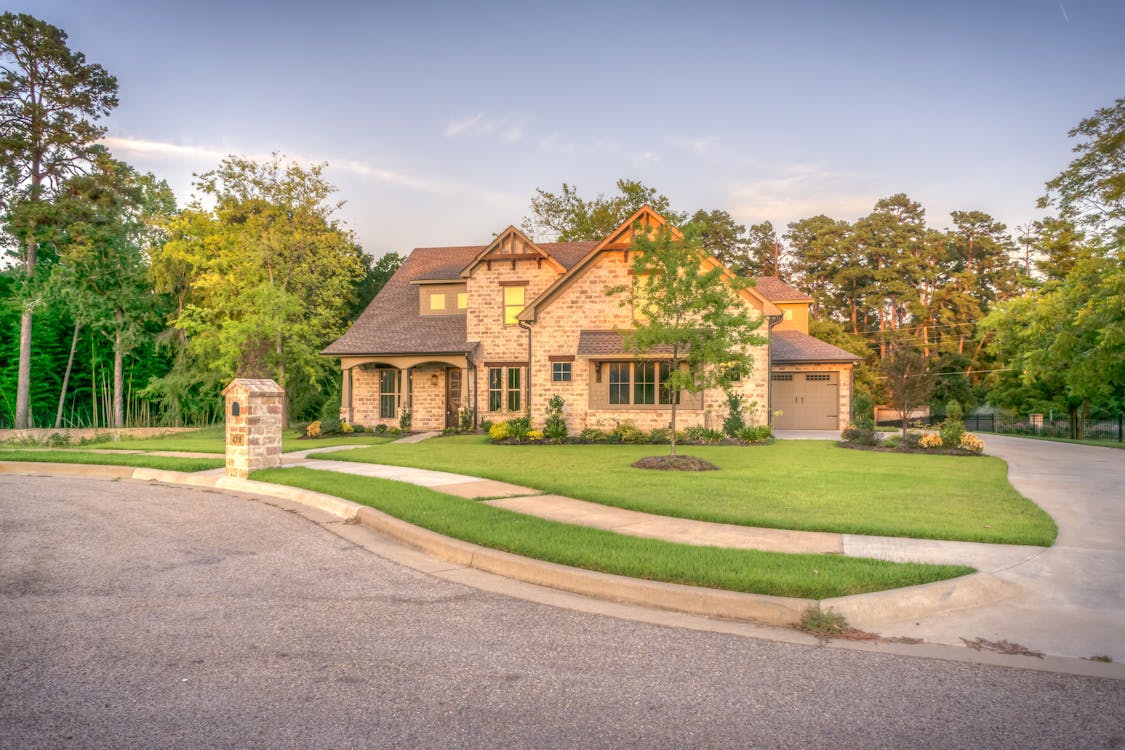
Curb appeal plays a major role in this decision for many homeowners.
- Pavers offer far more variety in color, shape, and layout pattern, including herringbone, basketweave, and running bond designs.
- Concrete provides a clean, minimalist, modern look that pairs well with contemporary architecture.
- Pavers make it easy to add borders, accents, or contrasting bands around a driveway or walkway.
- Stamped and stained concrete can imitate the look of natural stone or brick at a lower price point.
Installation Process
- Concrete installation involves grading, formwork, pouring, and curing before the surface can be used.
- Paver installation involves excavation, base compaction, sand bedding, laying units, and joint sanding.
- Pavers can be walked on almost immediately, while concrete needs time to cure fully.
- Both materials benefit greatly from proper site preparation and drainage planning.
Which Option Is Best for Your Driveway?
Driveways handle constant vehicle weight, exposure to oil and salt, and heavy daily use, so durability and ease of repair matter most here. Pavers tend to shine on driveways because damaged sections can be swapped out without disturbing the rest of the surface, and they resist cracking under shifting ground far better than a single concrete slab.
Which Option Is Best for Your Walkway?
Walkways see less weight but more foot traffic and closer visual inspection, since people walk directly on them. Pavers are often favored here too, thanks to their design flexibility and slip-resistant textures, though a stamped or broom-finished concrete walkway can also be a beautiful, low-maintenance choice for simpler layouts.
Hiring a Professional for Your Project
Whichever material you choose, proper installation is the single biggest factor in how long your driveway or walkway will last. Poor base preparation, inadequate drainage, or rushed work can cause problems no matter how good the material is. If you are in the region and want experienced local installers, take a look at Paver Patios Albany NY for guidance on qualified paver and hardscape professionals near you.
Frequently Asked Questions
- Which lasts longer, concrete or pavers? Pavers generally have an edge in longevity because individual units can be repaired or replaced, while a concrete slab often needs full resurfacing once serious cracking begins.
- Are pavers more expensive than concrete? Pavers usually cost more upfront due to labor-intensive installation, but they can be more economical over time since repairs are localized rather than whole-surface.
- Can concrete be made to look like pavers? Yes, stamped and stained concrete can closely mimic the appearance of brick, stone, or paver patterns at a lower price point.
- Do pavers crack like concrete? Because pavers are individual units laid over a flexible base, they rarely develop the large, spreading cracks that are common with poured concrete slabs.
- Which option requires less maintenance? Concrete generally requires less routine maintenance, aside from occasional sealing, while pavers may need joint sand refreshing and occasional weed control.
- Is one option better for cold climates? Pavers tend to handle freeze-thaw cycles and ground movement more gracefully than concrete, which is more prone to cracking under those conditions.
- Can I mix concrete and pavers in one project? Absolutely. Many homeowners use concrete for the main driveway body and pavers as decorative borders, aprons, or walkway accents.
Conclusion
So, Concrete vs Pavers: Which Is Best for Driveways and Walkways? The honest answer is that it depends on your priorities. If you want a budget-friendly, low-maintenance surface with a clean, uniform look, concrete is a solid choice. If you value design flexibility, easier long-term repairs, and better resilience against ground movement, pavers are likely the smarter investment.
Whichever direction you lean, take time to work with a trusted, experienced installer who understands proper base preparation and drainage for your specific climate and soil conditions. For a more detailed breakdown of features, pricing factors, and design ideas, check out our full guide: Concrete vs Pavers: Which Is Best for Driveways and Walkways?


Comments
Post a Comment